The Ultimate Guide to Starting a Community Garden
Community gardens are more than just shared spaces to grow fruits and vegetables—they’re powerful hubs for connection, sustainability, and local resilience. Whether tucked into an urban neighborhood or spread across a suburban lot, these gardens bring people together with a shared purpose: to grow food, relationships, and a stronger sense of community.
In recent years, community gardens have surged in popularity as people look for ways to eat healthier, reduce their environmental footprint, and reconnect with nature. But starting one can feel overwhelming if you don’t know where to begin. This guide breaks down the process into clear, manageable steps so you can turn an idea into a thriving garden.
1. How Do You Start a Community Garden from Scratch?
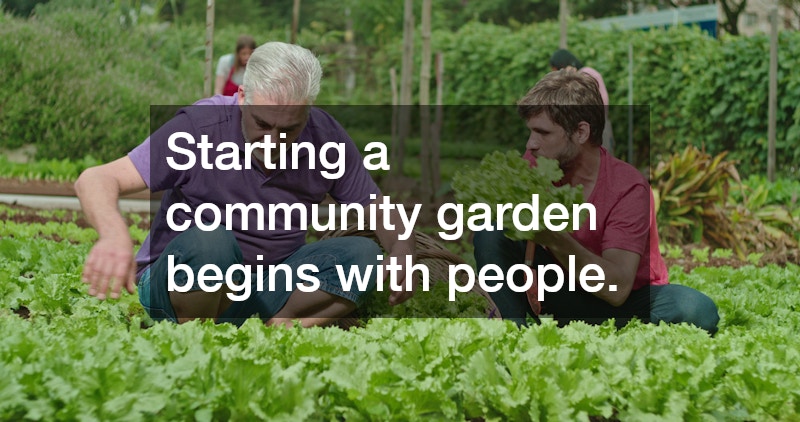
Starting a community garden begins with people. Gauge interest in your neighborhood by talking to friends, posting in local groups, or hosting an informal meeting. A small, committed core group is essential to get things moving.
Next, define your garden’s purpose. Will it focus on food production, education, beautification, or all three? Clarifying goals early helps guide decisions later on.
You’ll also need to decide on a structure. Some gardens operate with individual plots assigned to members, while others are fully communal, with everyone sharing the workload and harvest. Each model has its pros and cons, so choose what fits your community best.
Finally, sketch out a basic plan. This doesn’t have to be complicated—just outline your timeline, roles, and immediate next steps. Starting small and staying flexible is key.
2. How Do You Find and Secure Land for a Community Garden?
Finding the right location is one of the most important steps. Look for underutilized land in your area, such as vacant lots, school grounds, church properties, or municipal spaces.
Once you’ve identified a potential site, reach out to the landowner. This could be a private individual, a nonprofit, or your local government. Be prepared to explain your vision and how the garden will benefit the community.
It’s also important to check local zoning laws and regulations. Some areas have specific rules about land use, water access, or structures like sheds and fences.
If the landowner agrees, formalize the arrangement with a lease or written agreement. This helps protect your garden and ensures everyone is clear on expectations, including how long you can use the space.
3. What Funding and Resources Are Needed for a Community Garden?
While community gardens can be low-cost, some initial investment is usually required. Common expenses include soil, compost, seeds, tools, fencing, and access to water.
Start by creating a simple budget to estimate your needs. Then explore funding options. Grants are available through local governments, environmental organizations, and nonprofits. You can also raise money through community events, crowdfunding, or small membership fees.
Don’t overlook in-kind donations. Local businesses may be willing to contribute materials, tools, or expertise. Partnering with organizations in your area can also open doors to shared resources and support.
Being resourceful goes a long way—many successful gardens are built using reclaimed materials and volunteer labor.
4. How Should a Community Garden Be Designed and Organized?
A thoughtful design can make your garden more productive and enjoyable. Start by mapping out the space. Consider sunlight, drainage, and accessibility when deciding where to place beds, paths, and gathering areas.
Decide whether you’ll use raised beds, in-ground planting, or a mix of both. Raised beds are especially helpful in areas with poor soil quality. Many communities prefer local raised garden beds because they improve soil control, reduce weeds, and make gardening more accessible for people of all ages and abilities.
Water access is another critical factor. Whether you install an irrigation system or rely on hoses and rain barrels, make sure your setup is practical and sustainable.
Organization is just as important as design. Establish clear guidelines for participation, maintenance, and shared responsibilities. Assign roles such as coordinators, treasurers, or maintenance leads to keep things running smoothly.
Finally, prioritize inclusivity. Make sure the garden is welcoming and accessible to people of all ages and abilities.
5. How Do You Maintain and Sustain a Community Garden Long-Term?
Once your garden is up and running, the focus shifts to sustainability. Regular maintenance is essential, so create a schedule for watering, weeding, and general upkeep.
Encouraging participation can be a challenge over time. Keep members engaged by hosting events, workshops, or seasonal celebrations. A strong sense of community will help maintain momentum.
Conflicts may arise, especially in shared spaces. Address issues early and establish clear processes for communication and decision-making.
Planning for the seasons is also important. Rotate crops, prepare beds for winter, and think ahead to the next growing cycle. This keeps the garden productive year after year.
Ultimately, the long-term success of a community garden depends on consistent care, good organization, and a shared sense of ownership.
Starting a community garden may seem like a big undertaking, but by breaking it down into manageable steps, it becomes an achievable and deeply rewarding project. From gathering a group of passionate people to securing land, organizing resources, and maintaining the space, each stage plays a vital role in building something meaningful.
Beyond fresh produce, community gardens cultivate connection, education, and a stronger bond between people and the environment. If you’ve been considering starting one, there’s no better time to begin. With the right approach and a little collaboration, you can help grow something that benefits your entire community for years to come.