Is Summer School Right for Your Child?
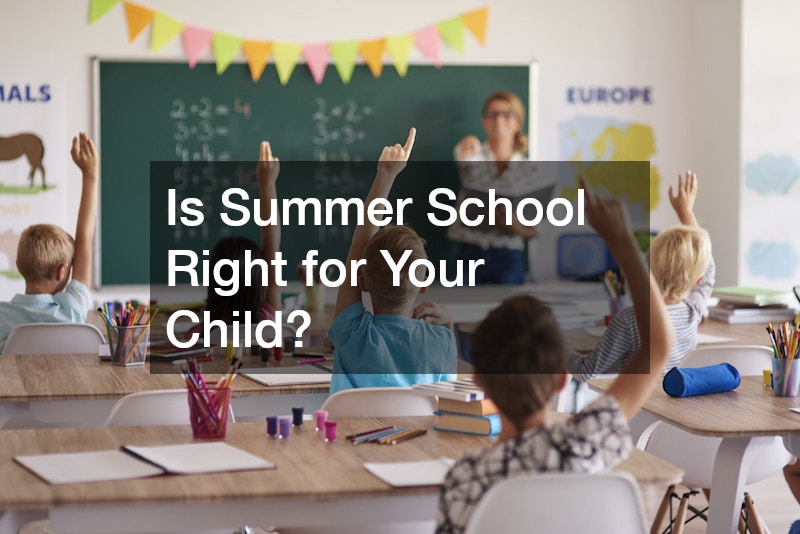
Summer school can provide a unique opportunity for students to enhance their learning experience. Unlike traditional school settings, summer schools often offer smaller class sizes, allowing for more personalized attention. For children who may struggle during the regular school year, this can be an effective way to catch up or solidify understanding in challenging subjects. Additionally, summer school programs are designed to be engaging and often incorporate hands-on learning activities. These experiences can foster a renewed enthusiasm for learning in your child.
Private summer schools, in particular, often boast highly qualified instructors who are dedicated to student success. They can offer specialized courses that may not be available in the regular school curriculum. This is particularly beneficial for students with specific interests or career aspirations, as they can tailor their learning towards these goals. Moreover, working in a focused academic environment during the summer prevents the educational “summer slide,” keeping students sharp and prepared for the upcoming school year. This proactive approach can make the transition back to the regular school year much smoother.
In addition to academic benefits, summer school programs provide social opportunities. Children have the chance to interact with peers who share similar academic interests, fostering new friendships. These interactions can improve communication skills and enhance social development. Engaging with a diverse group of students also broadens their global understanding and perspective. Thus, private summer schools not only build educational skills but also contribute significantly to personal growth.
Evaluating Your Child’s Needs
Before enrolling your child in a summer school program, it’s crucial to evaluate their individual academic needs. Consider their strengths and weaknesses in various subjects and how summer schooling could boost their academic standing. If your child is consistently struggling in specific areas, a targeted summer program could provide the support they need to improve. Additionally, if your child excels in certain subjects, summer school can offer advanced coursework to challenge them further. Understanding these needs will help in selecting the right program that aligns with their educational goals.
It is equally important to assess your child’s attitude towards learning and their readiness for additional academic workload over the summer. Some children might appreciate a break from structured learning environments after a demanding school year. However, others may thrive in the stimulating settings that private summer schools offer. Balancing academic needs with personal well-being is essential, as overloading a child can lead to burnout and diminish the benefits of summer schooling.
Parents should also consider logistical factors such as location, schedule, and cost of the potential summer programs. The proximity of the program affects daily logistics, and the timing should not conflict with family plans or other activities. Private summer schools may require a higher financial investment compared to public programs, and it’s important to weigh the costs against the benefits. Overall, evaluating these factors can ensure that the summer school experience is both beneficial and practical for your child and family.
Choosing the Right Program
Once you’ve determined that summer school is a good option, the next step is to choose the right program. Research different private summer schools and compare the syllabus, faculty, and extracurricular offerings. An ideal program will have a balanced curriculum that addresses your child’s academic needs while also providing stimulating activities. Visiting the school and meeting teachers can also offer insights into the environment and culture of the program. Engaging with alumni or reading reviews can further aid in making an informed decision.
Another consideration is the teaching style and approach employed by the summer school. Some programs focus heavily on academics, while others may incorporate a more experiential learning model. Determine which approach aligns best with your child’s learning preferences. For some, a hands-on, project-based learning environment might be incredibly effective. Conversely, students who thrive in traditional settings might benefit more from structured lectures and classroom exercises.
Finally, consider the overall experience that the summer program offers. It should not only seek to advance academic skills but also contribute to a well-rounded development. Many private summer schools offer extracurricular activities such as sports, arts, and leadership workshops. These aspects not only provide entertainment and relaxation but also help develop soft skills like teamwork, leadership, and creative thinking. Thus, selecting a program that balances academic rigor with personal growth opportunities can ensure a fulfilling summer experience for your child.