The Impact of Montessori Programs on Early Childhood Development
Early childhood is a formative period in a child’s life, shaping cognitive, social, emotional, and physical development. Montessori education, founded by Dr. Maria Montessori in the early 20th century, offers a unique approach that nurtures children’s natural curiosity and love of learning. By focusing on child-centered learning and hands-on experiences, Montessori programs aim to create an environment where children can grow at their own pace while developing essential skills. This article explores the impact of Montessori programs on early childhood development, highlighting how they influence learning, social interactions, emotional growth, and physical development in young learners.
Understanding Montessori Programs
Montessori programs are educational environments designed to support self-directed learning through exploration and discovery. Rooted in the philosophy that children learn best when actively engaged, these programs provide structured freedom, allowing students to choose activities that match their interests and developmental stage.
Over the years, Montessori programs have expanded worldwide, offering consistent principles while allowing adaptations for different cultural contexts.
By emphasizing child-centered learning and hands-on experiences, these programs help children build a solid foundation for lifelong learning. These programs also encourage children to develop a sense of responsibility and curiosity, fostering independent thought from an early age. Additionally, the carefully prepared environment in Montessori classrooms promotes problem-solving and decision-making skills that benefit children beyond academics.
Key Principles of Montessori Education
At the heart of Montessori programs are practical life skills, independence, and self-directed learning. Children are encouraged to care for themselves, their environment, and others, fostering responsibility from an early age. Learning materials are carefully designed to promote exploration, problem-solving, and sensory engagement. This structured approach ensures that children not only acquire knowledge but also develop the confidence to make choices and manage their own learning process.
Role of the Teacher in Montessori Programs
In Montessori programs, teachers serve as guides and facilitators rather than traditional instructors. They observe each child’s interests and developmental needs, offering support and introducing new challenges when appropriate. By stepping back and allowing children to take the lead, teachers help cultivate autonomy, resilience, and a sense of ownership over learning. This approach encourages children to become active participants in their education rather than passive recipients of information.
Cognitive Benefits of Montessori Programs
Montessori programs stimulate curiosity and critical thinking through hands-on activities and individualized learning paths. Children are encouraged to explore materials at their own pace, which helps them develop problem-solving and logical reasoning skills. This approach allows them to connect concepts, fostering deeper understanding rather than memorization.
Children in Montessori programs also experience enhanced creativity. Activities that combine art, science, and practical life skills encourage innovative thinking and imaginative play. By experimenting with different materials and approaches, children learn to consider multiple solutions to a problem, strengthening their cognitive flexibility.
Focus and concentration are other important benefits. Montessori environments are designed with minimal distractions, allowing children to immerse themselves in tasks that interest them. This sustained attention not only improves learning outcomes in the classroom but also translates to better concentration skills in other areas of life.
Academic Readiness and Lifelong Learning
Montessori programs also prepare children for formal schooling by promoting academic readiness. Students develop skills in reading, math, and science at their own pace, building a strong foundation for future education. Beyond academics, the emphasis on self-directed learning cultivates adaptability, persistence, and a growth mindset—qualities essential for success throughout life. Children are encouraged to set personal goals, track their progress, and take ownership of their learning, which nurtures a lifelong love of discovery.
Social and Emotional Development in Montessori Programs
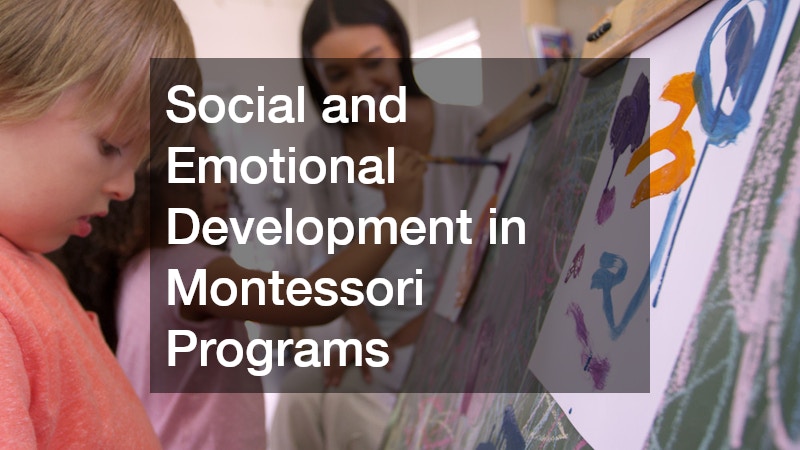
Montessori programs support social and emotional growth by fostering collaboration, empathy, and self-regulation. Children participate in group activities and peer learning, developing the ability to work cooperatively and resolve conflicts. By interacting with peers in a structured yet flexible environment, children learn to navigate relationships and understand diverse perspectives.
Building Independence and Confidence
A key aspect of Montessori programs is helping children develop autonomy and self-esteem. Completing tasks independently, making decisions, and managing responsibilities empower children to trust their abilities. This confidence extends beyond the classroom, positively influencing social interactions and overall emotional well-being.
Physical and Sensory Development in Montessori Programs
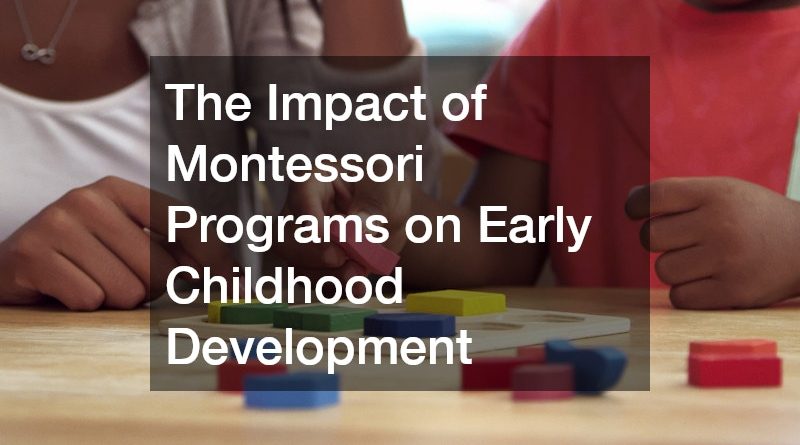
Physical and sensory development is another essential component of Montessori programs. Activities are designed to refine fine and gross motor skills while engaging multiple senses. From manipulating small objects to exploring textures and materials, children strengthen coordination, dexterity, and spatial awareness. Hands-on experiences not only support physical growth but also enhance cognitive development by connecting movement with learning.
Montessori programs offer a holistic approach to early childhood development, addressing cognitive, social, emotional, and physical growth. By fostering independence, critical thinking, creativity, and empathy, these programs prepare children for both academic and life success. For parents and educators seeking an educational approach that supports the whole child, exploring Montessori programs can provide meaningful opportunities for growth and development. By investing in a Montessori education, families can give children the tools to thrive in school and beyond.